We create stained-glass according to the sketches of the artists individually for each
order. When creating a sketch, we agree with the client on the choice of materials and
stained glass production technology.
Tiffany stained glass
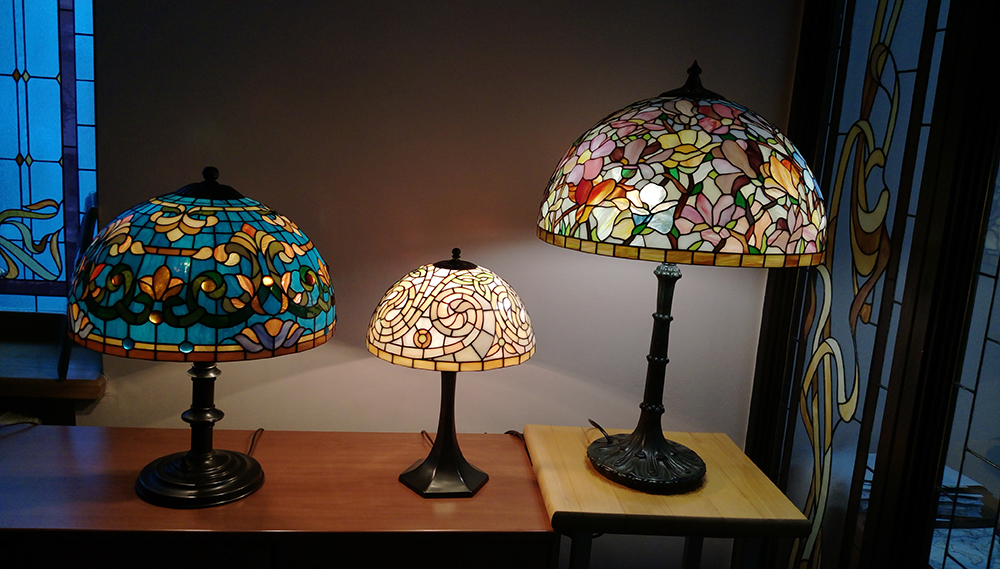
Tiffany lamp
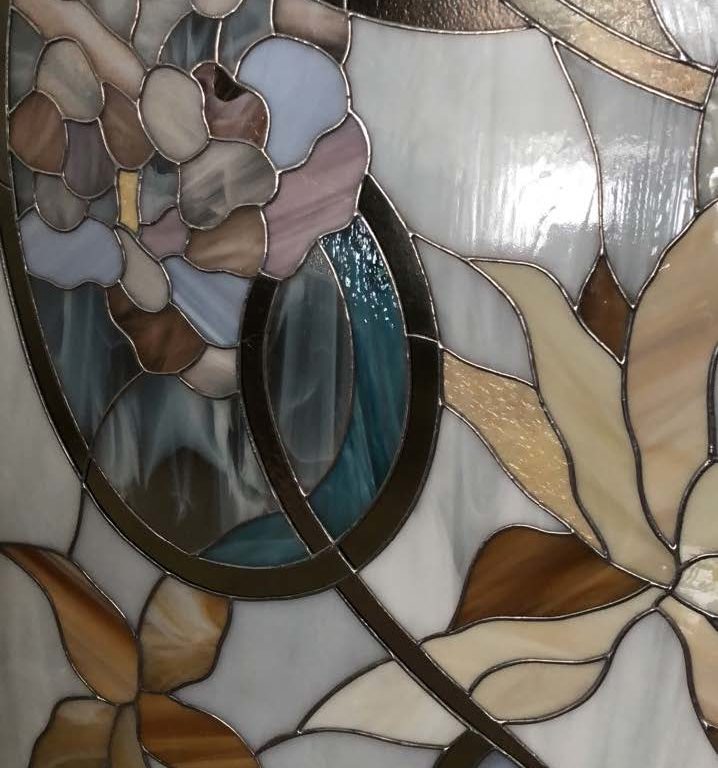
Tiffany stained glass associated with the name of American artist and designer Louis Comfort
Tiffany, who experimented with improving stained glass production technology. Under his management found a solution for the formation of glass plates in the stained glass now used by stained glass manufacturers around the world.
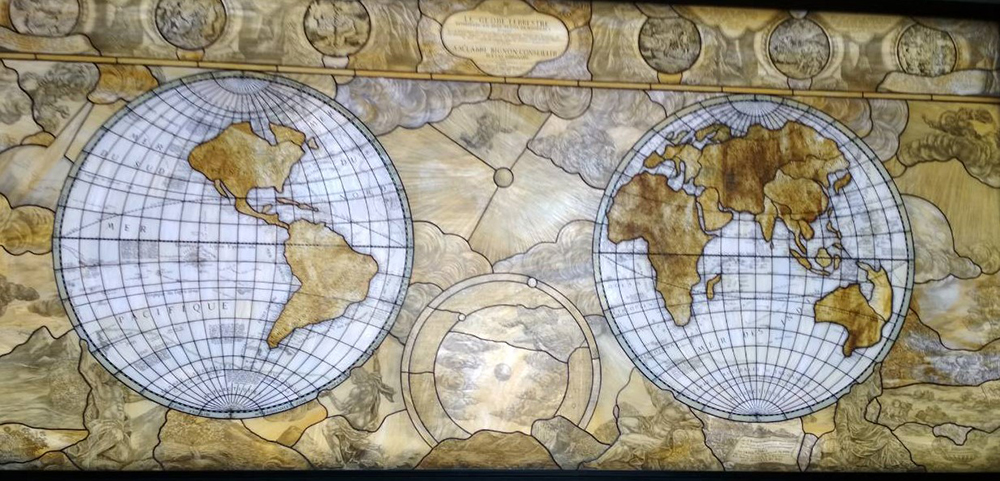
Tiffany’s technology is that every piece of glass is wrapped in copper tape and fits on the sketch template. Prepared items are bundled between a tin solder. The use of copper tape distinguishes this method from profile stained-glass where rough metal profiles are used.
It was Tiffany who opened up new opportunities for working with stained glass. First, unlike
using a lead profile, the soldering copper foil can be joined pieces glass at different angles. And the designers have the opportunity to create stained glass windows of any shape, both flat and voluminous.
Second, Tiffany technology allows you to use more small details, because, the connecting lines are thin and inconspicuous. Thanks to the invisible contour of the stained glass received a noble and elegant appearance. This technique enabled artists create drawings of smaller elements that look lighter and more delicate.
Tiffany’s technique was used to make lampshades, chandeliers, vases and more decor items where working on small curved surfaces requires connection large number of small fragments in a single composition.
There is another advantage to this technique. Connecting lines can be silver or with the help of patina they can be painted in different colors: shades of gold, “aged” colors, all the way to black, forming a complete image of the product, conceived by the designer.
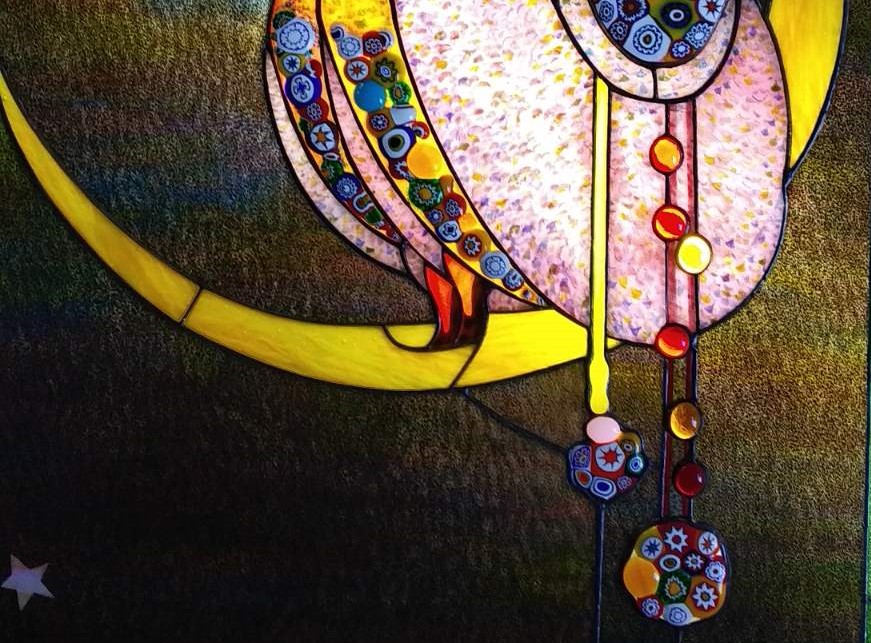
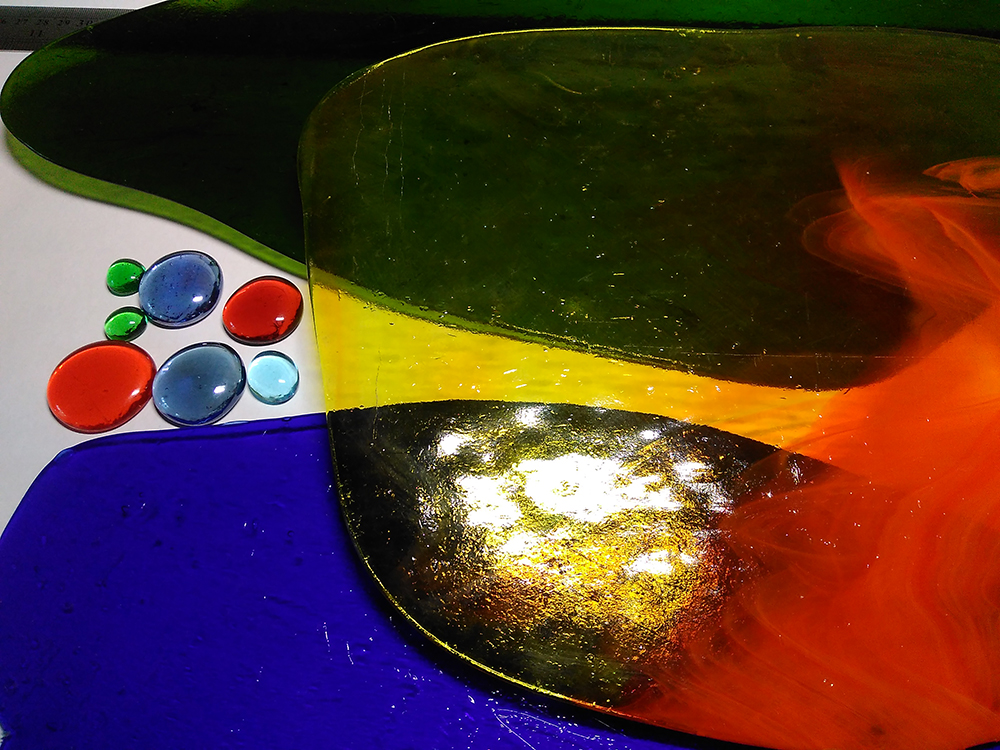
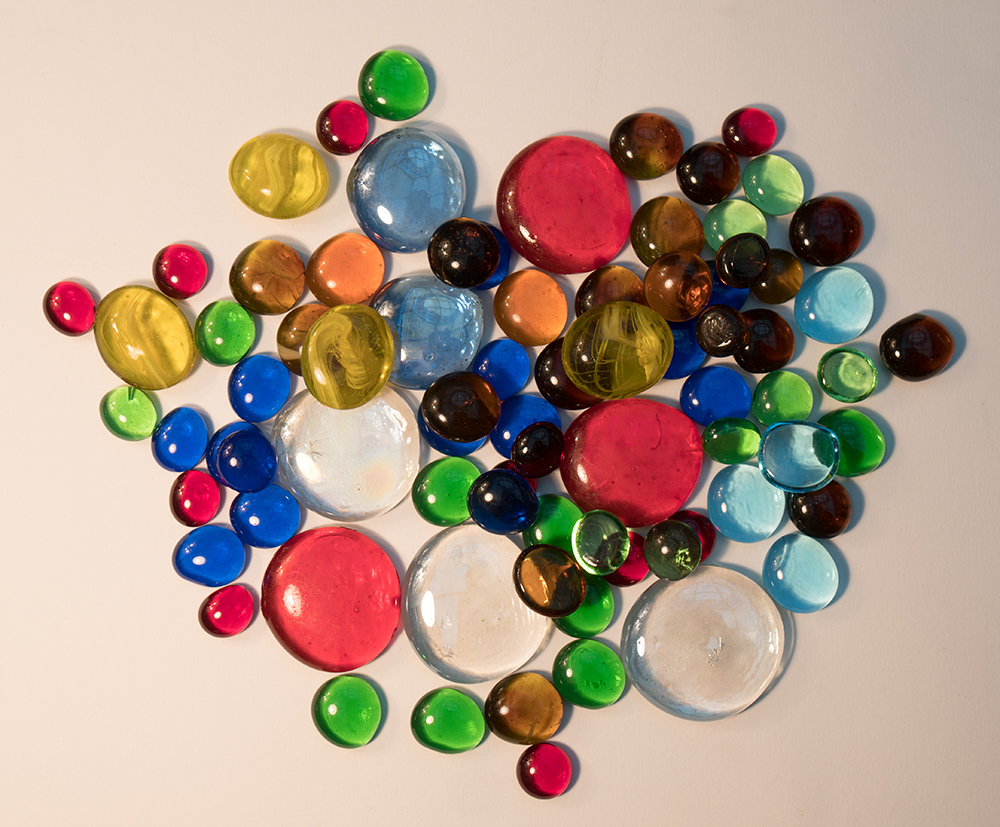
Fusing (from fuse – baking, melting) – one of the varieties of stained glass art. It is carried out by the method of melting glass in the oven at a temperature of 800 ° C. This glass of different colors melts into one another.
The result is a single one the assembled product.
Fusing does not require the use of metal connections. With the help of fusing you can get bulk products, home decor and paintings. The advantage of such products is that that the color of the glass is enhanced and brought to life by the reflection of light from the surface, which acquired a special property after melting.
Stained Glass Fusing
Facet Stained Glass
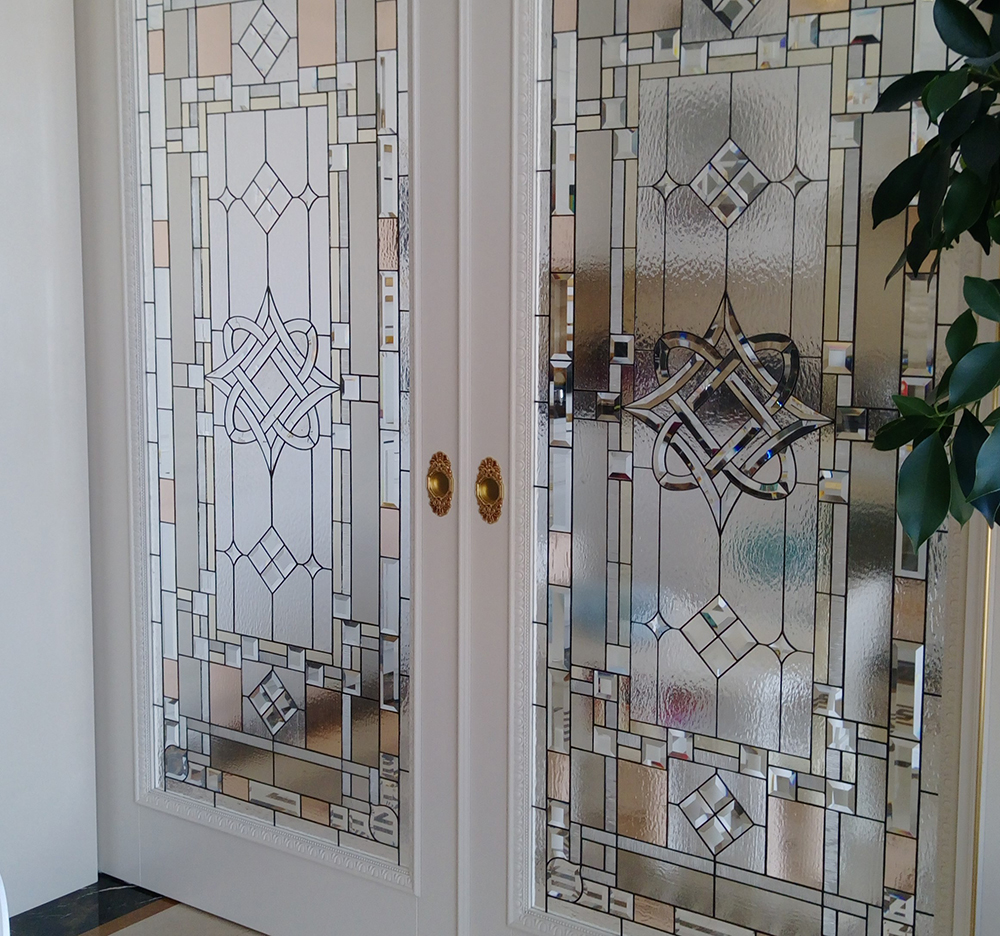
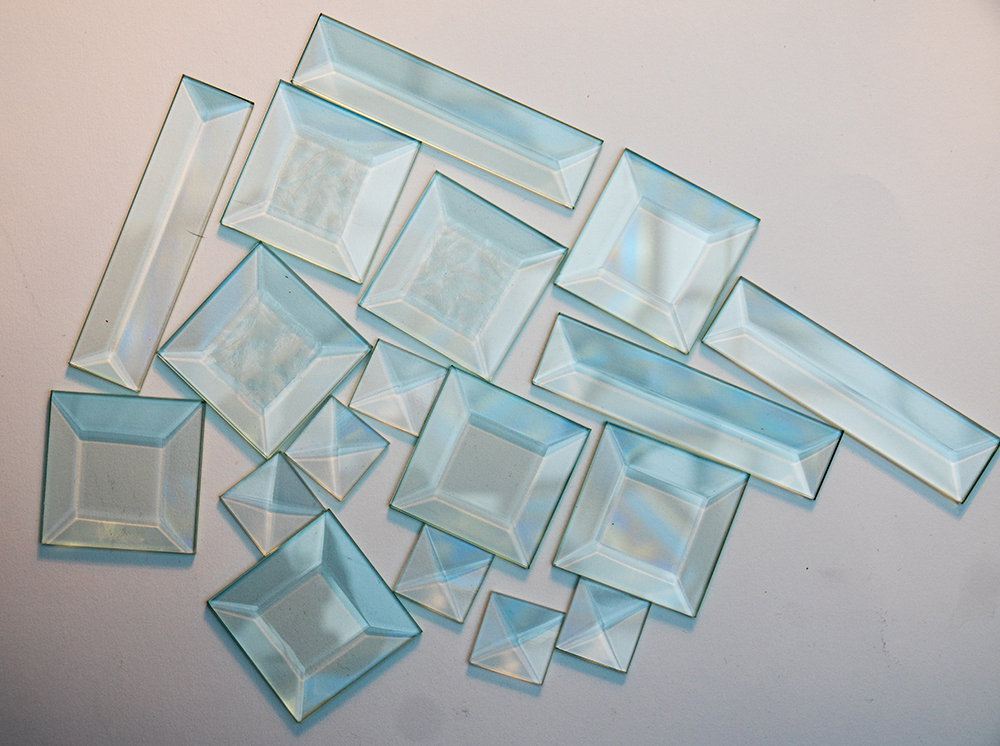
Facet has a well-deserved place among various stained glass technologies. The facet is edge, cut, chamfer on the outside of the glass. Refraction of light in this section gives great shine. To get a wider chamfer, which enhances the refractive effect light, requires a thicker glass, which increases the weight of the stained glass. Therefore, ready faceted parts are assembled into a stronger (brass or copper) frame.

It is recommended to place such stained glass in interior doors, to insert in furniture. Such a frame is able to withstand the load when opened and closed. Golden hue copper or brass frames give the products a precious look that is seen in the lumen, and what is reflected in the light that is important to the stained glass.
The interiors, which are decorated with stained-glass of facet elements, shine through faces and become truly diamond jewelry at home.
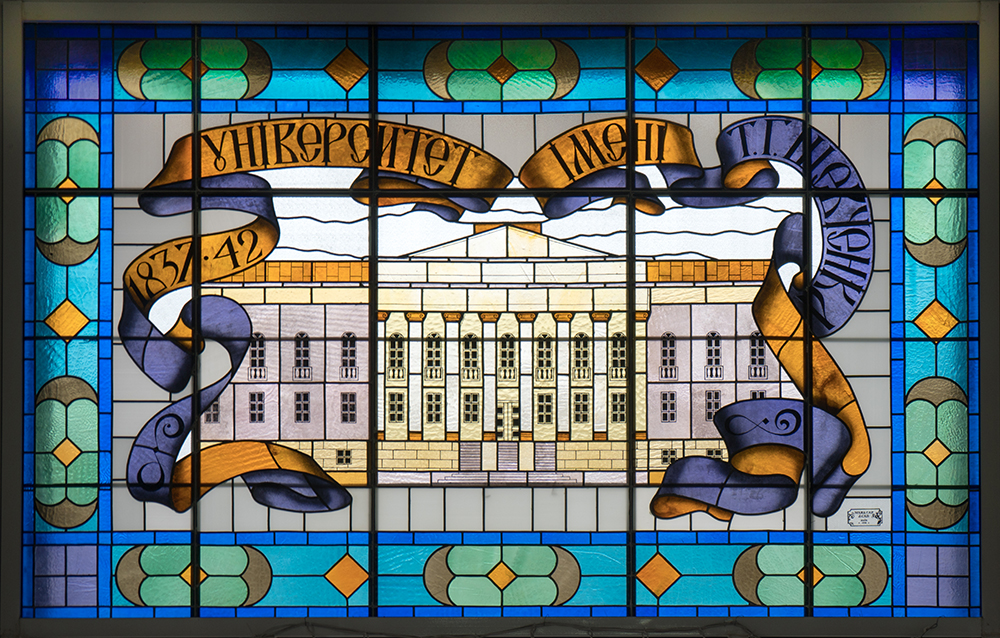
Profile or classic stained glass – these are cut or specially cast pieces of glass different sizes and colors that are joined together by metal lead, copper or brass profile.
The metal profile of stained glass connects rather large pieces of glass, so classic stained glass they can have any area on request. Different thickness of metal profile allows to produce both small and large canvases of classical stained glass.
Custom profile stained-glass are often used for windows, interior doors, furniture, attic, partitions or as a decorative panel.
Profile Stained Glass
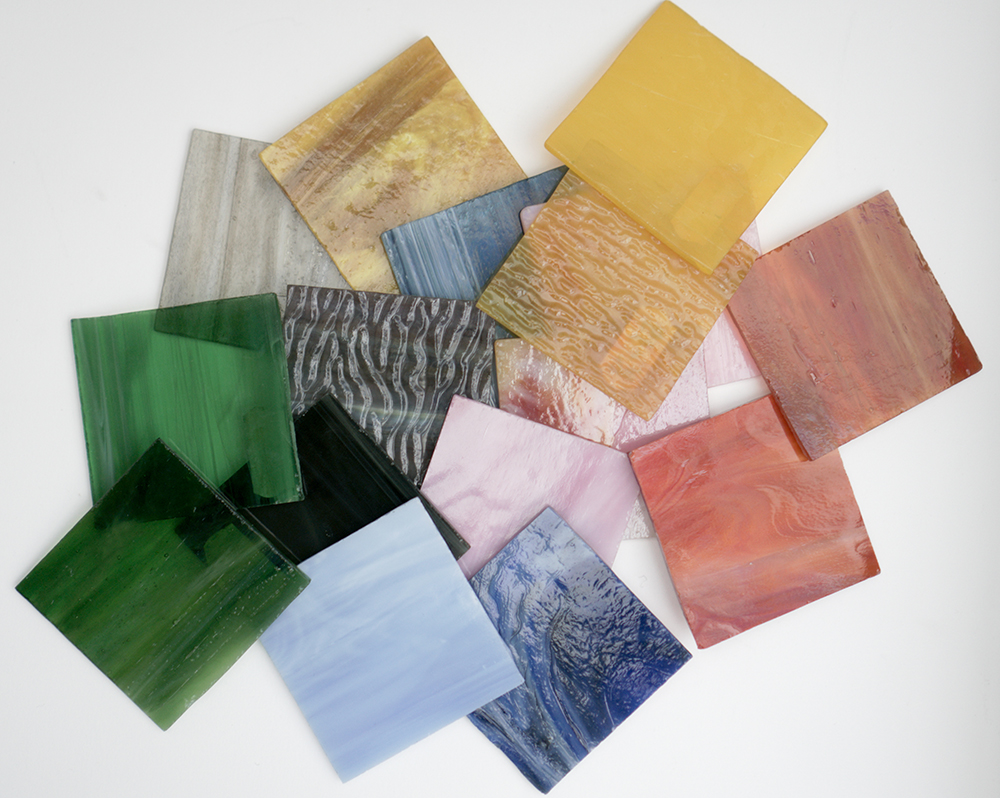
For our work we use glass only world famous manufacturers who have proven themselves in the market. This makes the result more predictable, and ensures the highest quality of products.